
 Stores
 Payment & Delivery
 Mon-Fri 9:00-18:30



















Blog
What to use instead of retinol in summer?
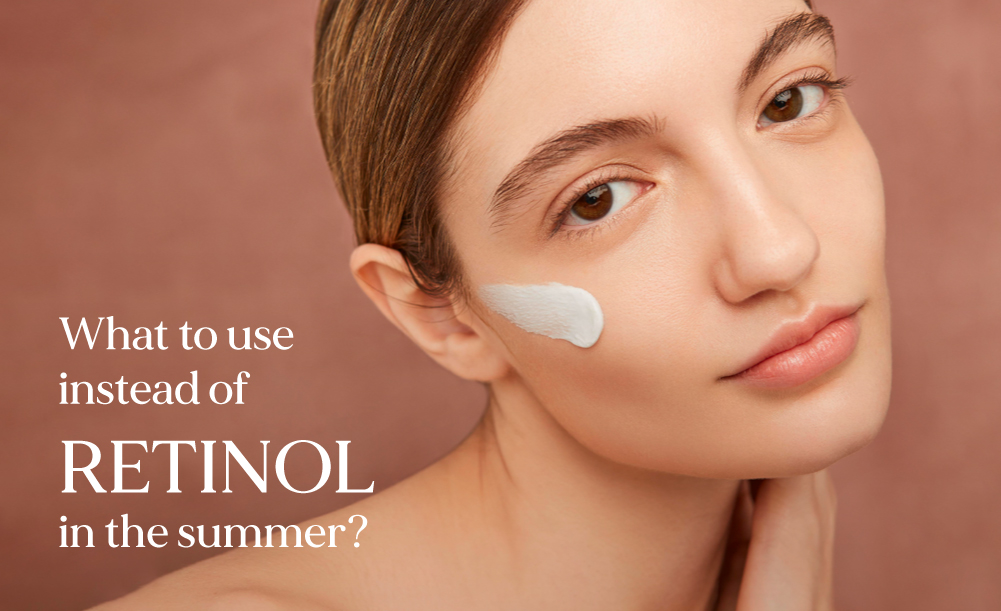
Retinol has long been considered the gold standard in anti-aging skincare. It smooths the skin, reduces wrinkles, evens out texture, and gives your complexion a fresh, rested look. But with summer — the season of intense UV rays — comes the inevitable question:
Can you use retinol in summer? Or is it time to take a break?
Let’s break it down.
Is retinol safe to use in summer?
In theory — yes. But in practice, it’s a risky move. Retinoids increase your skin’s sensitivity to sunlight, and even with SPF, there’s still a high chance of irritation, hyperpigmentation, or premature aging. That’s why most dermatologists recommend: save retinol for fall and winter.
❗ De ce nu e recomandat retinolul pe piele expusă la soare?
Why isn’t retinol recommended during sun exposure?
Because retinoids make your skin more vulnerable to UV damage. They can cause:
- redness and peeling,
- more visible dark spots,
- reactive skin,
- and in extreme cases — sunburn.
Luckily, summer is the perfect time to switch to safer and equally effective alternatives.
What to use instead of retinol in hot weather?
The good news: there are alternatives that work just as well, but are gentler. No sensitization, no side effects. Here they are:
Bakuchiol — the plant-based retinol alternative
What is it?
A natural compound derived from babchi seeds, bakuchiol offers similar benefits to retinol but without photosensitivity.
Can bakuchiol be used in the morning?
Absolutely. It’s stable under UV and safe for AM and PM routines.
Does it actually work for wrinkles?
Yes. It stimulates collagen, smooths texture, and brightens the skin gently and consistently.
Look for labels like: plant-based retinoid, bakuchiol serum, summer-safe anti-aging.


Peptides — firming without irritation
Peptides are chains of amino acids that promote collagen production and support skin elasticity.
Can peptides be used in summer?
Yes, absolutely. They’re a smart choice for mature or sensitive skin, especially when you want visible results without harsh effects.
Vitamin C — protection, glow & antioxidant defense
Which is better in summer: retinol or vitamin C?
Vitamin C. It defends against free radicals and pigmentation, brightens the complexion, and boosts sun protection.
Best forms for sensitive skin?
Look for stable derivatives like Sodium Ascorbyl Phosphate (SAP) or Ascorbyl Glucoside.
PHA & LHA — gentle exfoliation for summer skin
Not true retinoids, but very effective:
- PHA (Polyhydroxy Acids) – great for dry or sensitive skin
- LHA (Lipo-Hydroxy Acids) – best for oily or acne-prone skin
They exfoliate without causing irritation.

Can you still use retinol in summer?
If you’re an experienced user and know how your skin responds, you can, with caution. Just adapt your routine accordingly:
Safe summer retinol tips:
- Use only at night — no AM application.
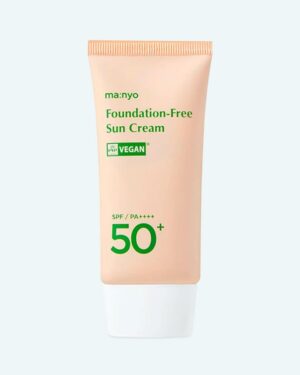
- Always wear SPF 50+ — reapply every 2–3 hours.
- Go for gentler versions — like retinyl palmitate or retinaldehyde.
- Avoid mixing with acids or vitamin C in one routine.
- Add calming ingredients — niacinamide, panthenol, ceramides.
- Listen to your skin — if it reacts, take a break.
🌞 Golden rule: Summer is for lightness and balance. If your skin asks for a rest — give it one.
There are gentle alternatives that truly work.




 Skin Cycling




 Kids
 Travel size


