
 Stores
 Payment & Delivery
 Mon-Fri 9:00-18:30














Sulfate-free shampoos








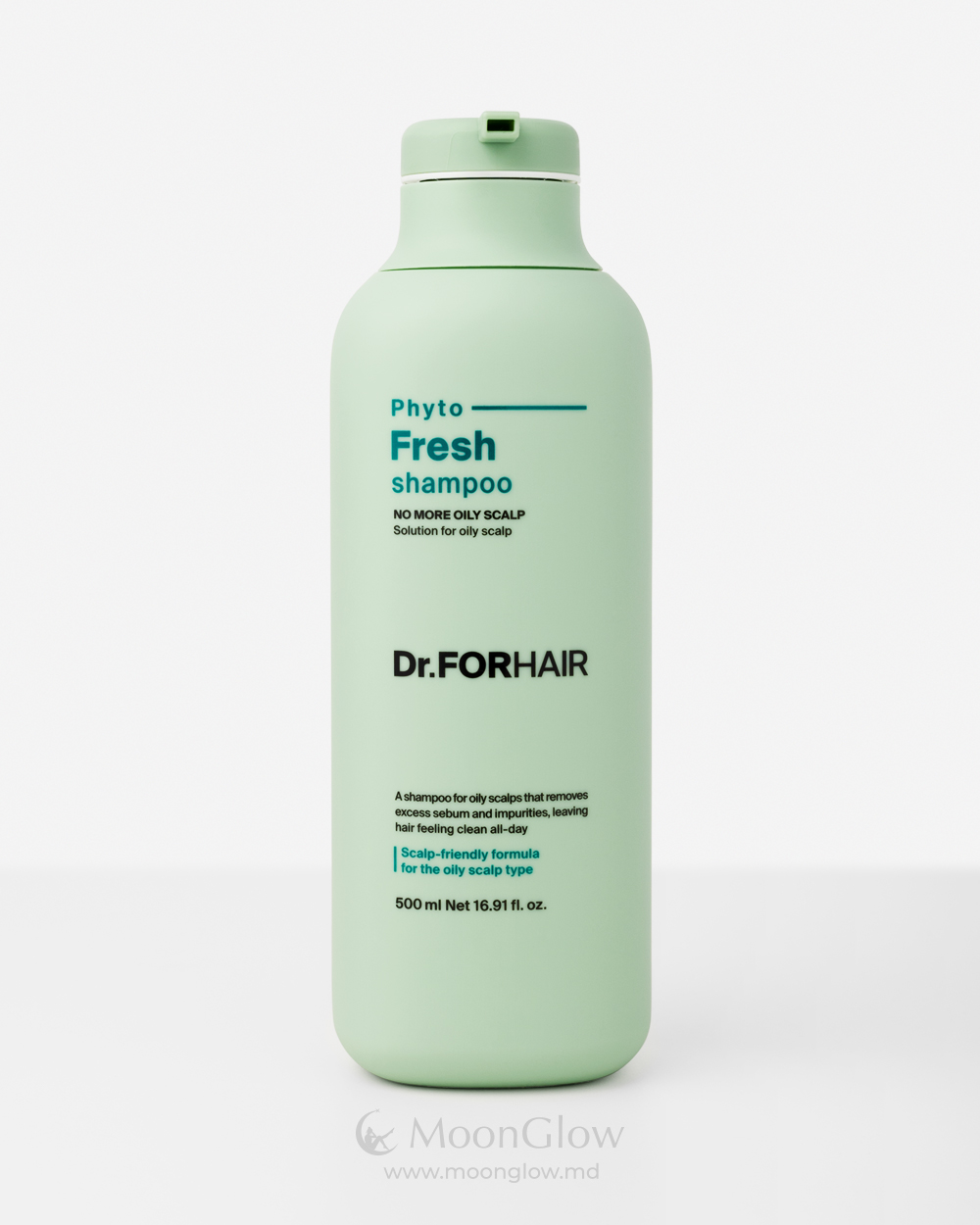
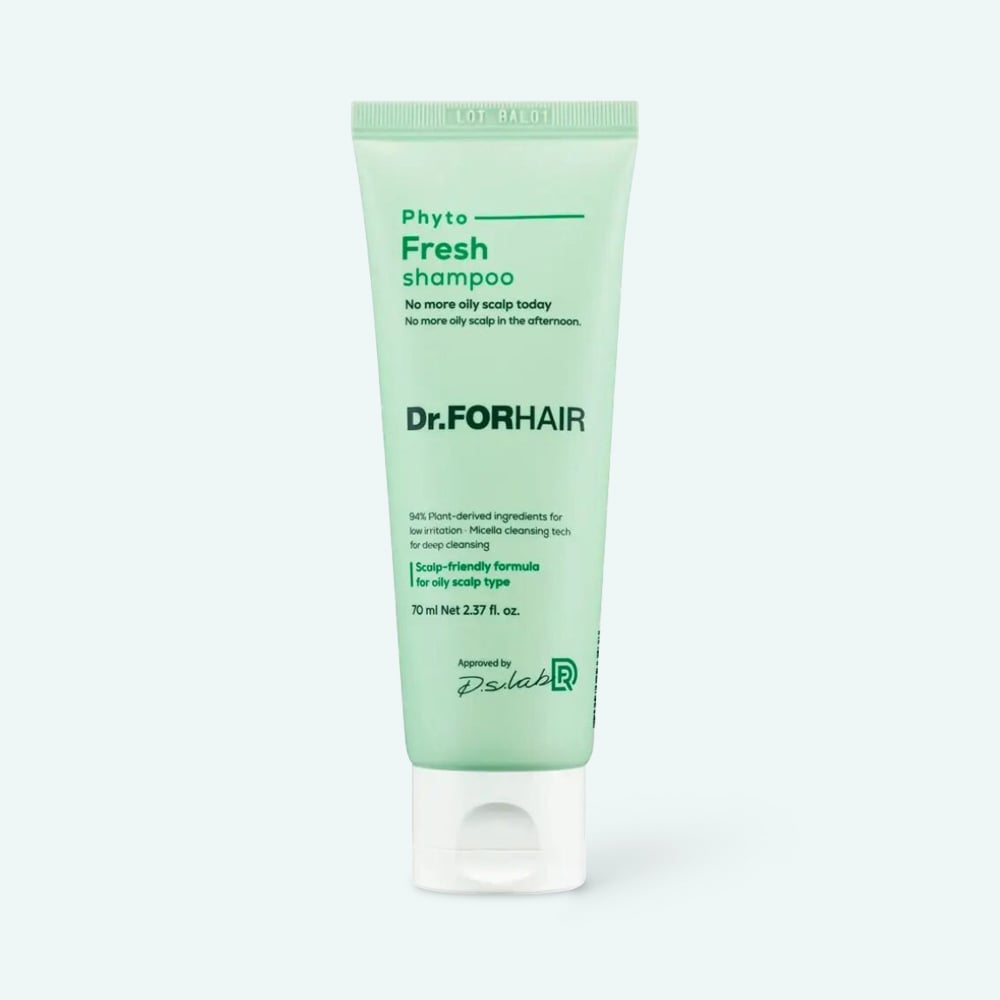
Why do the scalp and hair become dirty over time?
A mix of sebum, dead skin cells, dust, sand, salt, and other debris builds up on the scalp and hair. Additionally, residues from cosmetic products (masks, conditioners, leave-ins, styling products) also accumulate.
This buildup can:
• clog pores
• weigh down and stick hair strands together
• disrupt the microenvironment at the roots
• lead to dermatological issues if not removed regularly using a shampoo with good cleansing ability
That’s why even a sulfate-free shampoo contains surfactants (cleansing agents) — but these are milder forms of sulfates, designed to cleanse gently.
What does “NO SULFATES” really mean?
This label usually indicates the absence of harsh anionic sulfates, such as:
-
Sodium Lauryl Sulfate (SLS)
-
Ammonium Lauryl Sulfate (ALS)
-
Sodium Laureth Sulfate (SLES)
-
Ammonium Laureth Sulfate (ALES)
Instead, sulfate-free shampoos typically use amphoteric and non-ionic surfactants — which are gentler alternatives.
Examples of mild cleansing agents:
Amphoteric (+ –):
-
Cocamidopropyl Betaine
-
Cocamidopropyl Hydroxysultaine
-
Disodium Cocoamphodiacetate
-
Disodium Lauroamphodiacetate
-
Lauramidopropyl Hydroxysultaine
-
Sodium Cocoamphoacetate
-
Sodium Lauriminodipropionate
Non-ionic (0):
-
Cocamide DEA
-
Cocamide MEA
-
Cocamidopropylamine Oxide
-
Decyl Glucoside
-
Lauramide DEA
-
Lauryl Glucoside
-
Lauryldimethylamine Oxide
-
PEG-7 Cocoate

 Skin Cycling



 Kids
 Travel size


